
01
Test deeply.
Quality starts long before the first assertion. It starts with sharper questions, the edge cases nobody thought of, and a feel for exactly where software breaks.
Quality leader · Product builder · Sharing the How
I'm Julia Pottinger. I've spent over a decade in QA, testing real products, finding the gaps teams miss, and turning messy releases into something safer to ship. Now I build my own products too, including AI tools, mobile apps, and games, and I share the practical lessons as I go.

How I think about quality
Quality starts long before the first assertion. It starts with sharper questions, the edge cases nobody thought of, and a feel for exactly where software breaks.

Not everything deserves a script. The craft is choosing the high-value paths and building a suite your whole team actually trusts and maintains.

When testing and automation pull in the same direction, release night stops being scary. That calm is the entire point, and you can learn it.

The tools got faster, and they will write the test, run the suite, and open the pull request. They cannot decide what is worth trusting. I drive them and keep the standard, because speed without judgment is just faster guessing.

Knowing something is only half of it. Showing another person how to do it, in plain steps they can follow, is the part that lasts.

The best testers keep asking what if. Tools and frameworks change every year, but the habit of poking at the edges is what carries across all of them.

Meet Julia
I test. I build. I teach. Over a decade in software quality led me here, and now I create my own products too, from AI tools to mobile apps and games.
I love sharing what I learn through articles, courses, talks and YouTube. The goal is simple: make testing, automation and building products feel clearer for the next person doing the work.
Beyond the blog
I don't just write about shipping quality software. I design, build, and ship my own, under my studio.
Start with the problem
Pick the thing your team is wrestling with right now: a test strategy, a stronger API safety net, or a better way to use AI without lowering the bar.
Field Notes
Get practical notes on testing, automation, AI, mobile apps, and release decisions. I share the workflows, lessons, tools, and mistakes from real product work so you can ship with more confidence and fewer last-minute surprises.
Fresh from the articles
Practical, field-tested writing on the things that make software dependable.
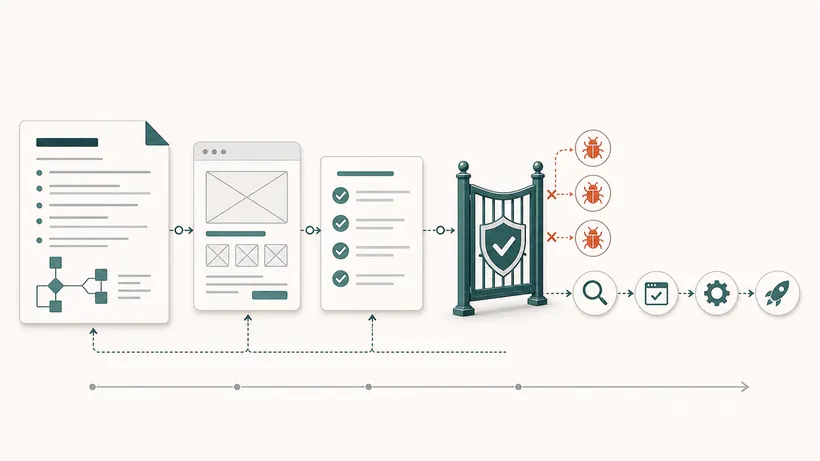
Some of your most valuable QA work happens before a single line of code is written. Here is how to catch gaps early and stop bugs from being built at all.
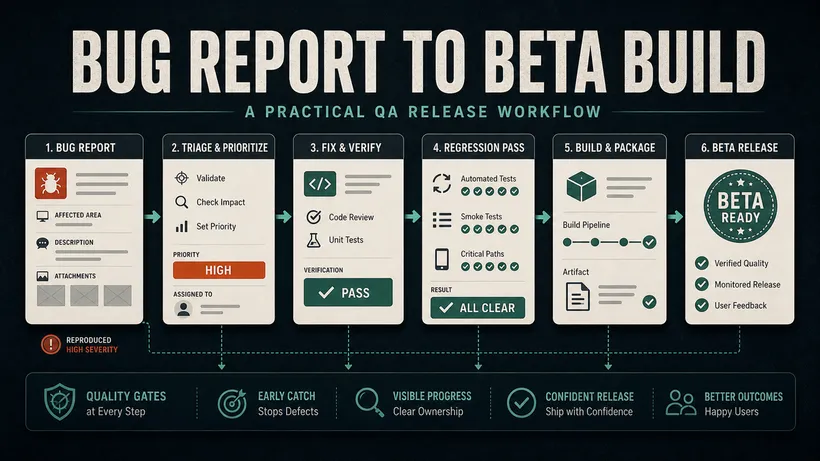
Finding the bug is the easy part. Carrying it through evidence, the right fix, a verified build, and a clean handoff is what lets a team ship without guessing.
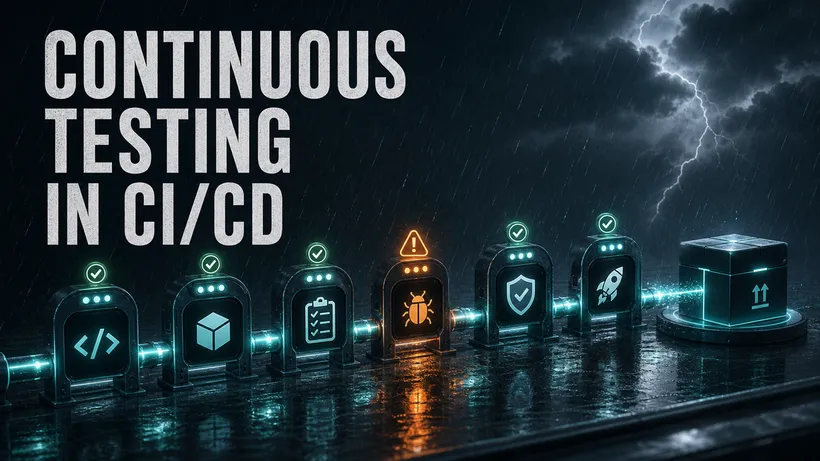
If your pipeline is slow, flaky, or full of checks nobody trusts, more tests will not help. How to give the team the right quality signal at the right time.
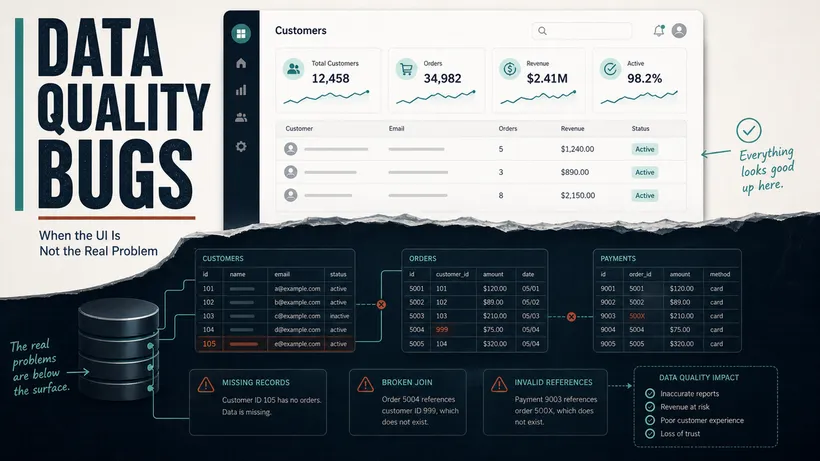
A duplicate row, a missing badge, a wrong name on a leaderboard. They look like screen bugs, and sometimes the real damage is sitting in your database.
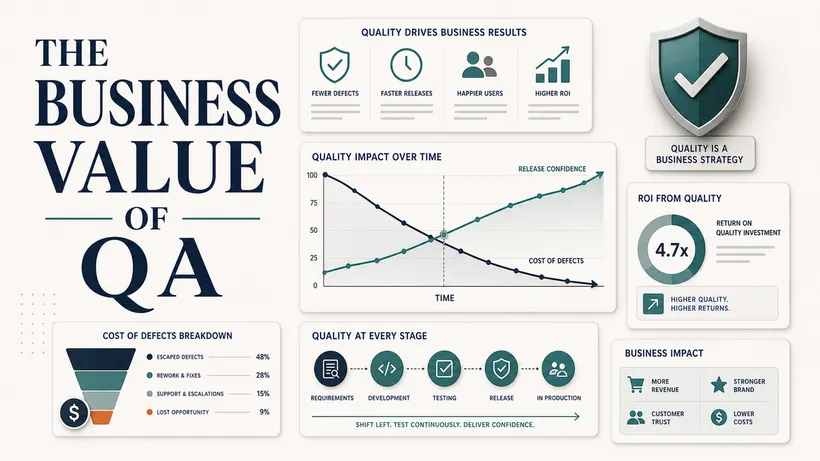
QA gets noticed when a release goes wrong. Here is how to make its value visible long before that, in language the business actually cares about.
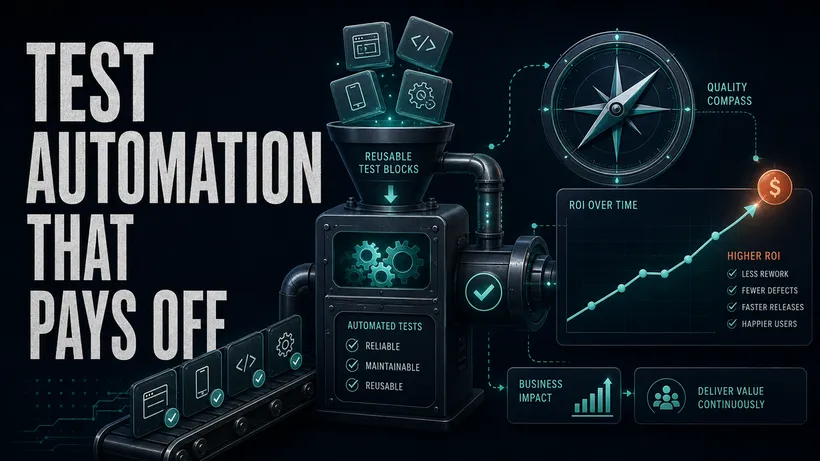
An automated test is not the same thing as a useful one. Here is how to pick what to automate, build a suite people trust, and prove it was worth the effort.
Browse by topic
Watch & learn
Plus my free WebdriverIO course on Test Automation University.
Why read here
Every article comes from real projects: code you can run, checklists you can use, mistakes you can skip.
Strong hierarchy, elegant code blocks, and zero clutter. Long-form that respects your attention.
Tools that respond as you work: a career roadmap and an API checklist that save your progress as you go.